
Mining for Good: How Responsibility is Reshaping the Resource Industry
Updated: May 18
June 17, 2025 - In an era where sustainability is reshaping industries, mining, a sector historically associated with environmental degradation and social disruption, is undergoing a profound transformation. Responsible mining is leading the charge, reshaping how minerals are extracted by embedding ethics, transparency, and community empowerment into the heart of operations. Responsible resource development requires balancing economic growth with the protection of ecosystems and the upliftment of local communities.
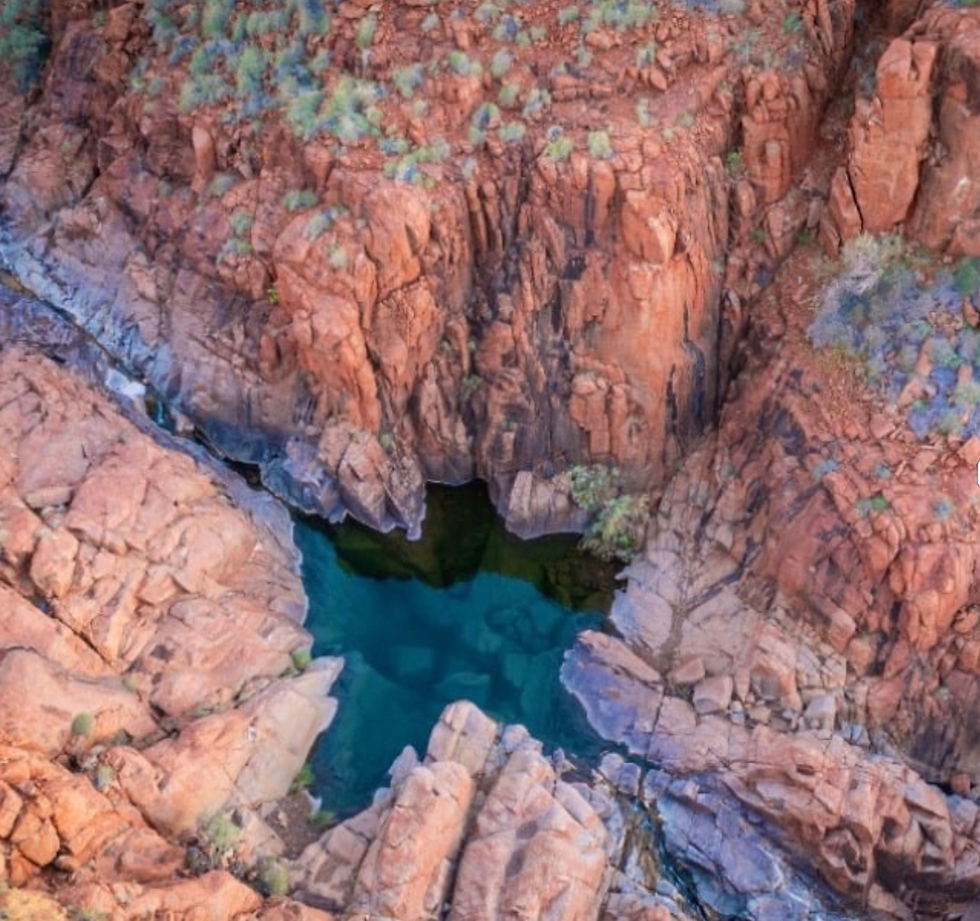
Greener Grounds: Prioritizing Environmental Stewardship
At the core of responsible mining is a deep commitment to environmental stewardship. This means minimizing pollution, managing mining waste with care, and ensuring that ecosystems disturbed by extraction are actively restored. Rather than leaving scars on the earth, responsible operations focus on long-term ecological health, revegetating landscapes, preventing water contamination, and adopting new technologies that reduce their environmental footprint.
Nature Counts: Biodiversity and the Australian Mandate
Protecting biodiversity is a critical component of responsible mining, one that’s increasingly under regulatory scrutiny, especially in countries like Australia. Mining projects there must comply with stringent environmental laws that require thorough biodiversity assessments before operations begin. These laws mandate mapping of native species, ecosystems, and habitats to ensure that sensitive areas are identified and preserved. Under the Environment Protection and Biodiversity Conservation Act (EPBC Act), projects with potential impacts on matters of national environmental significance, such as threatened species or world heritage sites, undergo rigorous review. Furthermore, miners are legally obligated to undertake rehabilitation and “make good” on ecological damage once operations cease, restoring flora and fauna and ensuring that the natural balance is not permanently disrupted. This approach reflects a growing recognition that economic development and biodiversity preservation must go hand in hand, especially in ecologically rich regions like Australia.
Putting People First: Mining with a Human Touch
Responsible mining is as much about people as it is about minerals. It insists on meaningful community engagement, inviting local voices into decision-making processes and addressing potential social impacts head-on. Fair labour practices, respect for Indigenous rights, and long-term community development are fundamental to responsible mining. When managed effectively, the sector can support economic opportunity, regional development, and broader social progress.
A responsible mining model ensures that the financial rewards of extraction do not benefit corporations alone. Local communities, host governments, and other stakeholders must receive a just share of the economic benefits. This means transparent royalty payments, local hiring, investment in infrastructure, and inclusive value chains that extend prosperity beyond the mine gate.
Transparency in Action
Transparency and accountability are the bedrock of trust in mining. From disclosing environmental impacts and safety practices to publishing financial data and social assessments, responsible miners are lifting the veil on an industry long seen as opaque. Publicly available audits, community reports, and adherence to global standards are helping shift the narrative, and raising the bar.
Champions of Change: Who’s Leading the Movement?
Several organizations are shaping and supporting the shift toward responsible mining. The Initiative for Responsible Mining Assurance (IRMA) sets rigorous global standards. The Responsible Mining Foundation (RMF) independently evaluates mining companies’ ESG performance, while the Alliance for Responsible Mining (ARM) empowers small-scale miners to formalize and improve their practices. In the policy arena, Germany’s BMZ supports international development programs for sustainable extraction, and the Responsible Minerals Initiative (RMI) drives supply chain integrity across hundreds of member companies.
From Tailings to Transparency: Responsible Mining in Practice
On the ground, responsible mining is visible in actions such as safer tailings management, engineered to prevent disasters like Brazil’s Brumadinho dam failure. It’s seen in environmental restoration projects that rehabilitate land post-extraction, and in social programs co-created with communities. Transparent reporting, open data portals, and grievance mechanisms are giving stakeholders tools to monitor progress and hold operators to account.
A Sustainable Future in the Making
Despite the momentum, responsible mining still faces formidable challenges. In some jurisdictions, weak regulatory enforcement and corruption undermine even the best intentions. Elsewhere, unresolved tensions with communities can escalate into social unrest. These issues highlight the need for stronger governance, better oversight, and continued global collaboration.
Responsible mining is no longer optional; it is fundamental to the long-term viability and social licence of the industry itself. As global demand for critical minerals accelerates alongside climate, energy security, and economic development objectives, mining companies can no longer operate successfully without demonstrating responsible environmental stewardship, community engagement, and ethical governance. Investors, governments, and local communities increasingly expect extraction to occur in ways that protect ecosystems, respect Indigenous rights, and deliver enduring economic value. With strong regulatory frameworks, aligned partnerships, and sustained political commitment, mining can play a defining role in powering the global energy transition while upholding the standards required to maintain trust, access, and long-term industry sustainability.
General Information Disclaimer
The information provided in this blog is for general informational and educational purposes only and should not be considered as financial, investment, or legal advice. While we strive to ensure accuracy and relevance, we make no representations or warranties, express or implied, regarding the completeness, reliability, or suitability of the information provided.